
When loneliness makes it harder to connect, to ask for help
or to see a way forward,
Offload helps young men find their next step.
WHY OFFLOAD, WHY NOW?
When loneliness makes it harder to connect, to ask for help or to see a way forward, Offload helps young men find their next step.
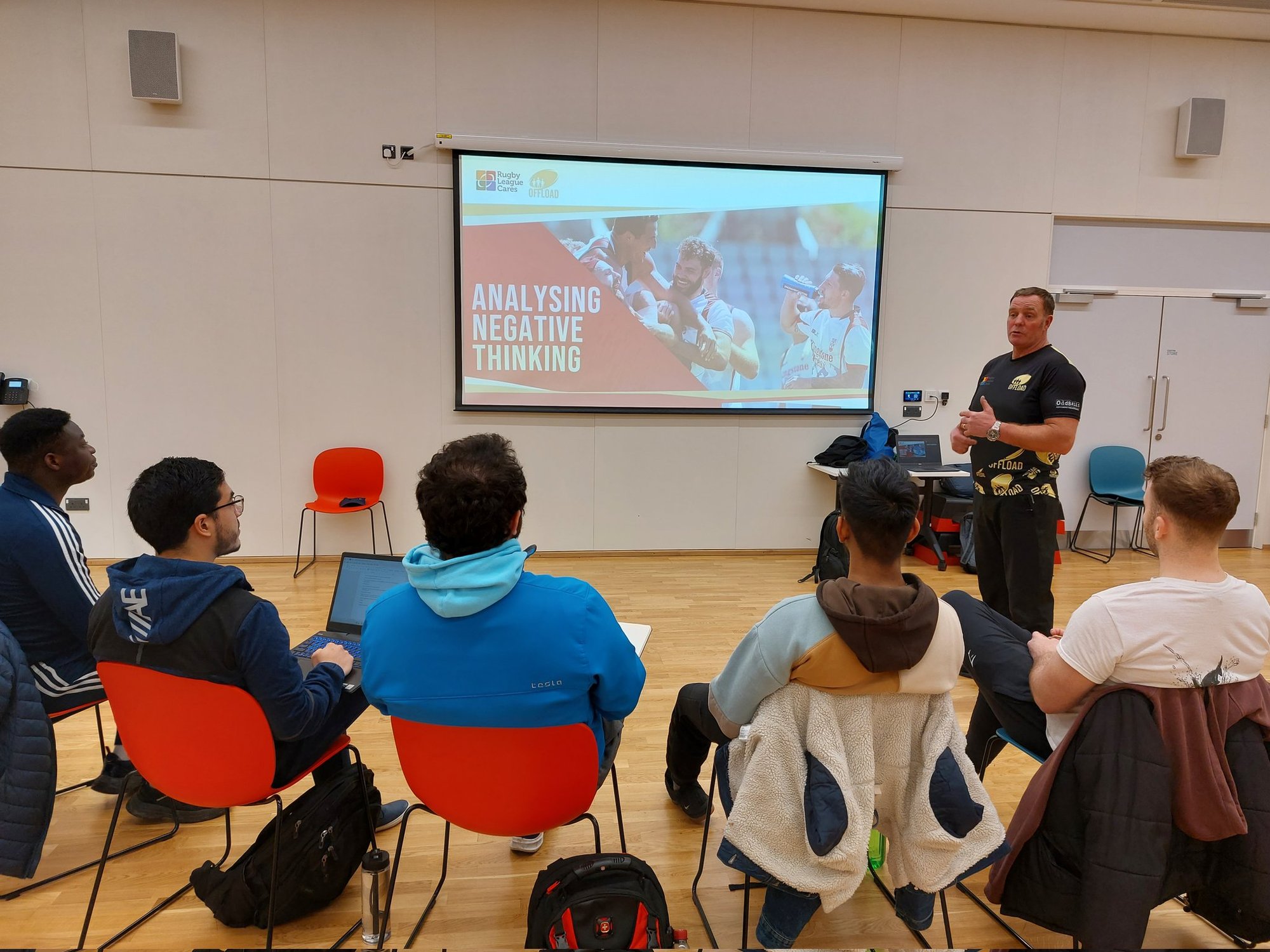
Delivered by Sport Cares with funding from the UK Government’s Department for Culture, Media and Sport, Offload is a six-week programme for young men aged 16–24 who may be experiencing loneliness or isolation, or be at risk of becoming NEET (not in education, employment or training).
Loneliness is particularly common among young people aged 16–24. Yet for many boys and young men, admitting they feel lonely can carry stigma or embarrassment, and asking for help can be difficult (DCMS, 2025a; Hey et al., 2023; Barreto et al., 2022; DHSC, 2025b).
Loneliness and social isolation are linked with reduced mental and physical health (Christiansen et al., 2021).
The Milburn Review published in late 2026 is clear: too many young people are losing connection with education and work, not because they lack ambition, but because opportunity and effective support are too often missing. Health challenges can also interrupt their transition into adult life. Tackling isolation is part of helping young men reconnect with other people, their communities and the possibilities ahead.
The need to tackle isolation was reflected in a pilot programme delivered by Sport Cares, funded by UK Government in 2025-6. Among young men who participated, 11% said they often or always felt lonely, compared with an England average of 7%. One in five participants reported high levels of indirect loneliness, twice the national comparison figure of 10%.
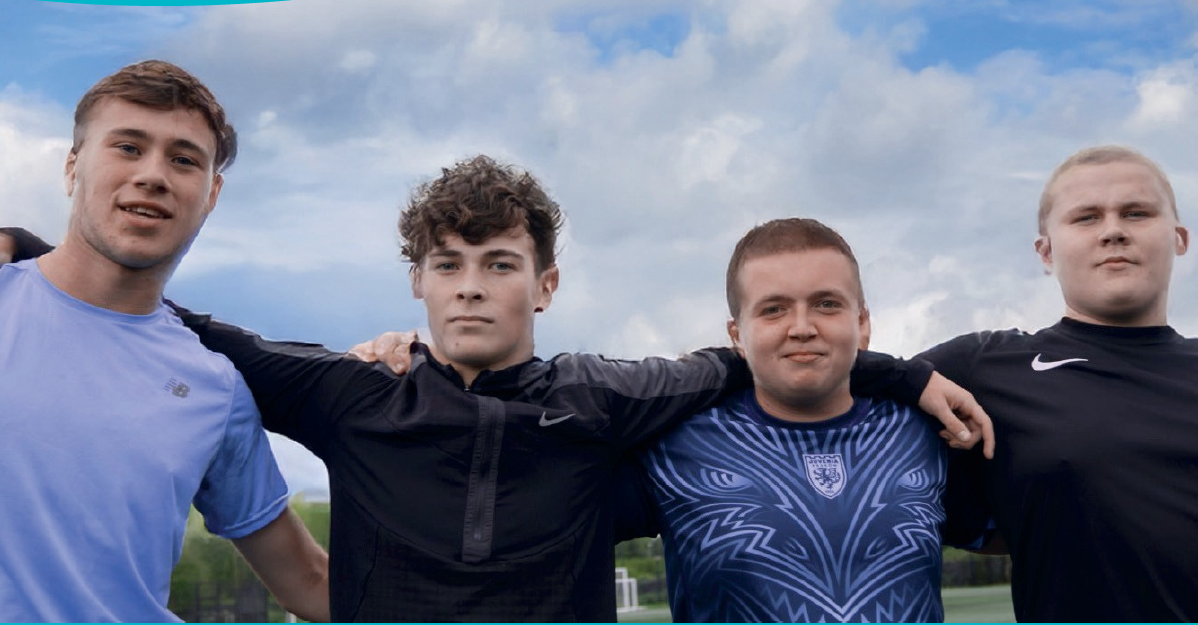
Offload offers a welcoming, non-judgemental place and relatable role models to create build connections, practise useful skills, talk openly and develop tools to manage life’s challenges.
Stronger connections can be a first step towards greater confidence, wellbeing and taking part in the future Young Men and boys want.
The Offload Programme
Offload is an early intervention six-week targeted behaviour change programme.
It builds on Sport Cares’ long experience of delivering community programmes that support men’s mental wellbeing and social connections.
Developed over more than a decade, the original Offload programme has been shaped with local communities to give men practical knowledge, skills and tools to manage their wellbeing.
For the DCMS pilot, the programme was adapted with input from young men aged 16–24, including those at risk of loneliness, isolation or becoming NEET. The sessions use language and activities shaped around their experiences and needs.
In a relaxed, supportive setting, participants build practical skills in communication, managing emotions, confidence and goal-setting.
Topics covered include:
- Building Trust and Respect
- Healthy Relationships
- Emotions & keeping your cool
- Handling Pressure & seeking support
- Strengths, self-esteem & confidence
- Building aspirations & future plans
The Athlete's Voice
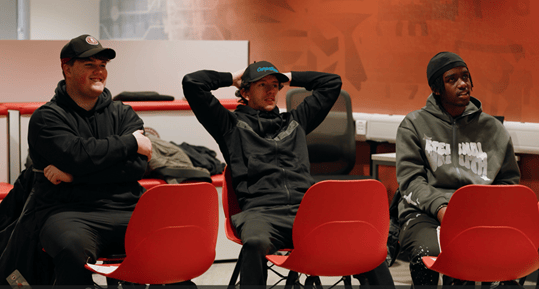
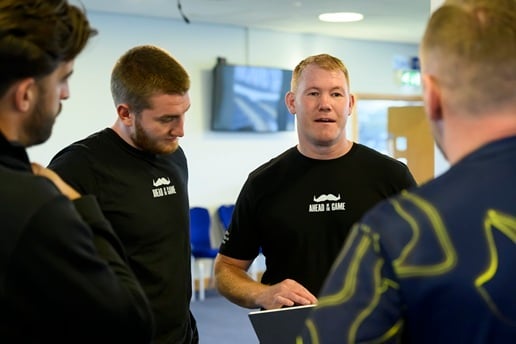
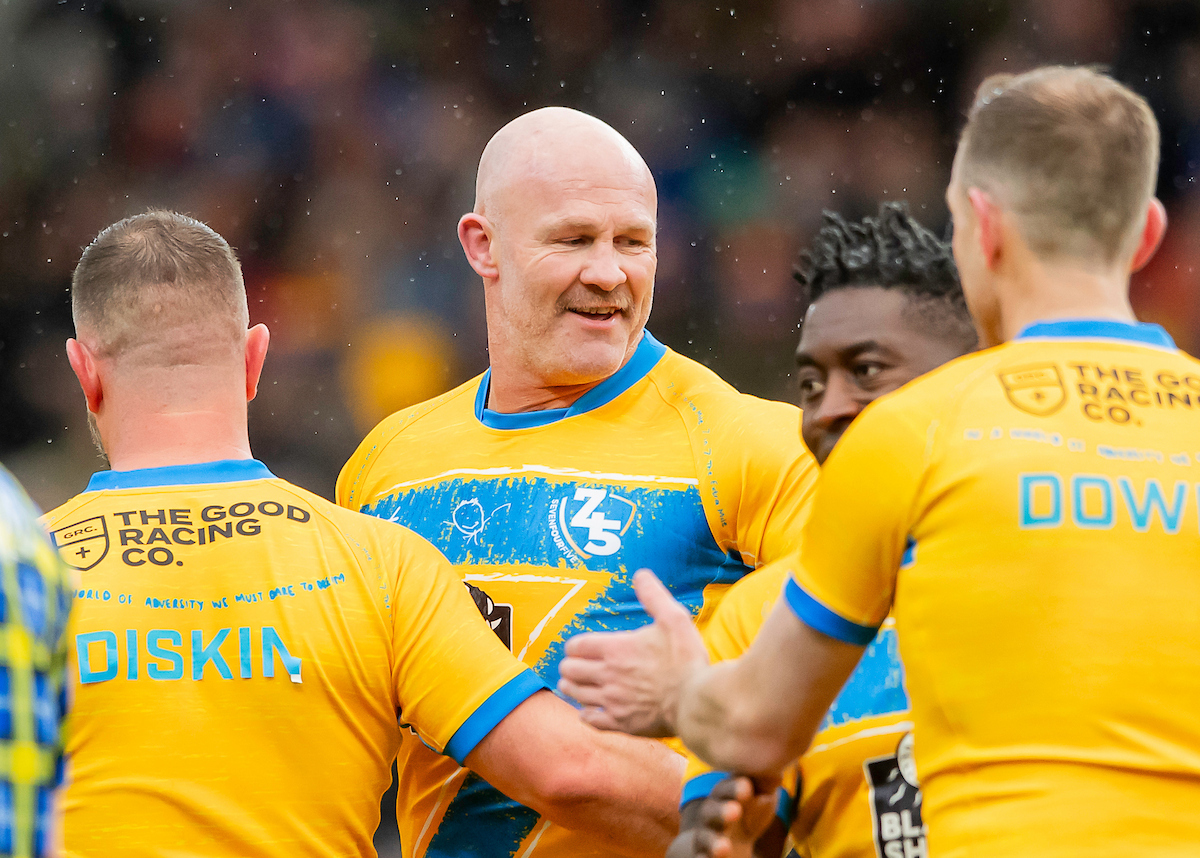
Sessions are led by former elite athletes, who share their own experiences and act as positive role models. It’s not about having all the answers. It’s about finding the confidence to talk, connect and move forward.
Keith Senior - former Leeds Rhinos and Great Britain centre; Sport Cares Head of Wellbeing Programmes:
"The difference these programmes make is incredible. They’re delivered by people who are embedded within the villages, towns and cities where the sport is played and who know all about the challenges boys and young men face growing up in these communities.
"Being able to call on our own experiences of tackling issues like loneliness, social isolation and having little sense of belonging as we grew up is invaluable in helping us to relate to, and engage with the people we are reaching out to.
"The values I learned as a professional athlete equipped me with many of the same coping mechanisms and strategies that we all need to thrive and lead fulfilling lives, and I am looking forward to sharing my experiences with boys and young men in Wakefield and Wigan."
“Listening to these guys, these sportsmen, made me realise it wasn’t just me. That we all face things. Its about how we try deal with them that matters"
SPORT CARES
Proven Impact
The power of sport in tackling loneliness
Working alongside Sport Cares and DCMS, Edge Hill University undertook an evaluation of the pilot, highlighting its impact Pilot Programme found to have made a positive impact
Edge Hill University found positive impacts on participants' social connections, sense of belonging, wellbeing, resilience and aspirations, including improvements in confidence and emotional regulation.
Participants also reported growing in confidence, with one saying they had become ”more talkative”, while another described the programme as “lads getting together, getting to know each other, creating bonds”.
-
Before coming here I was quite hot-headed, I’d lose my temper quite a bit, but I think since coming I’ve become more laid-back and relaxed
Pilot Participant
-
Coming to these sessions made me feel like you can do anything you put your mind to. It’s made me want to do and achieve a lot more
NEET participant
-
Coming to these sessions made me feel like you can do anything you put your mind to
Student