SPORT CARES OFFLOAD FOR THE COMMUNITY
Helping communities to thrive
Offload is an award-winning, evidence-informed mental fitness and wellbeing programme delivered by Sport Cares’ unique workforce of elite athletes.
Since 2017, Offload has used the power of sport, relatable role models and practical learning to help more than 20,000 people build positive habits and protect their wellbeing.
Co-created by men, clinicians, professors and researchers in men’s health, the programme understands the different challenges men face, as well as the barriers to accessing support. It tackles issues such as:
- Building mental fitness
- Handling stress
- Developing a positive mindset
- Challenging difficult emotions
- Recognising healthy influences
- Building a support team
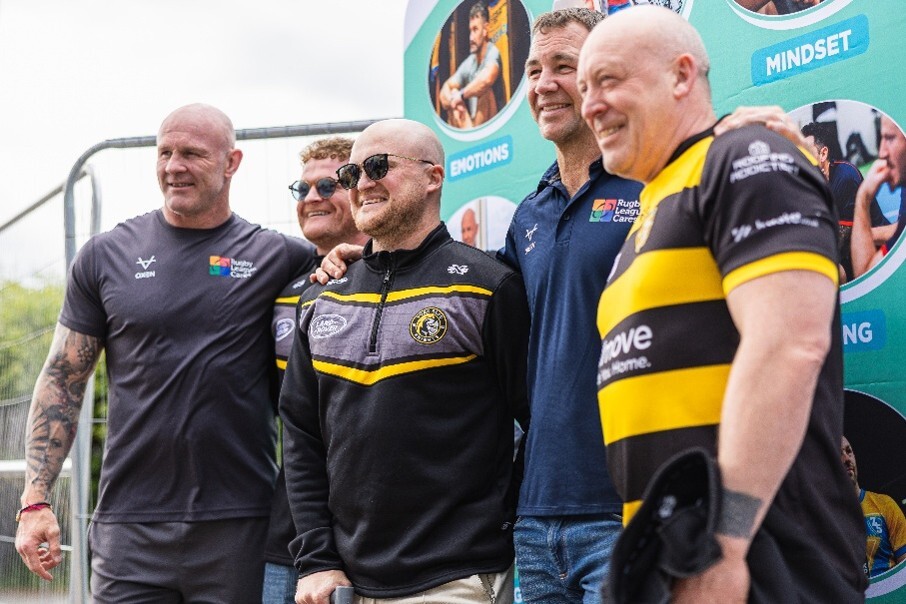
The programme focuses on practical tools, handed over by elite athletes who have used those tools to create a winning mindset. Our inspirational team build on a participant's strengths to support confidence, resilience and lasting change.
Created by like-minded men, the programme uses non-judgmental, non-clinical language and sport terminology to help make meaningful impact.
THE POWER OF ELITE ATHLETE DELIVERY
Proven Impact

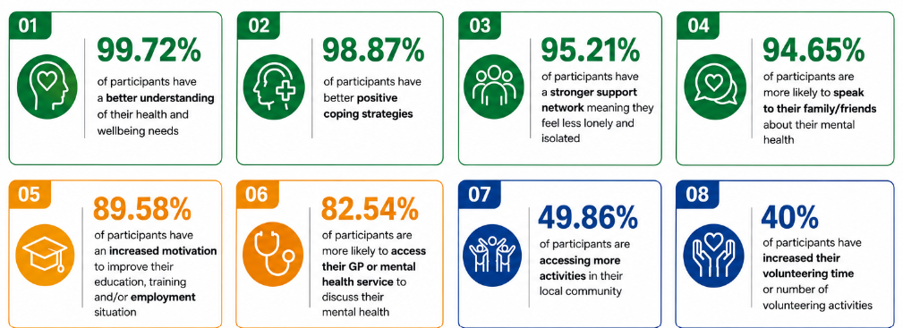
Since its creation, Offload has been independently evaluated by Edge Hill University. We know that participants feel mentally fitter, stronger and more able to tackle any challenges they may face in their working or home lives.
In 2021, Offload’s success led to Edge Hill University citing Offload as a “global example of best practice for delivering mental health interventions through sport”.
The programme has been tested across many communities, producing strong evidenced outcomes via validated tools.
For more information on our evidence base outcomes
Real Life Stories
John - "Offload Saved My Life"
When John first attended Offload, he was experiencing one of the most difficult periods of his life.
Following the breakdown of his relationship and a prolonged period away from work, he had become increasingly isolated. He rarely left the house, had withdrawn from family and friends, and felt there was no one he could talk to about how he was feeling.
Like many men, John believed he should be able to cope alone. He described feeling ashamed that he was struggling and had never considered accessing traditional mental health services.
After hearing about Offload through a local rugby league network, he reluctantly agreed to attend a session.
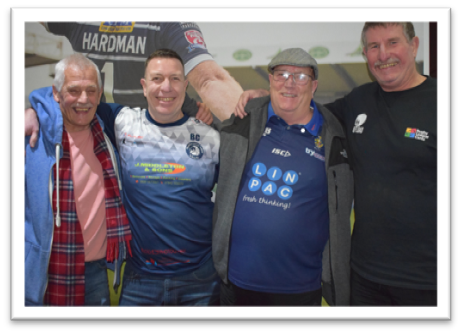
Initially quiet and withdrawn, John began to build trust with the facilitators and other participants. Seeing former rugby league players openly discussing their own experiences of adversity helped him realise that asking for help was not a sign of weakness.
Over the six-week programme he learned practical techniques for managing stress, understanding his emotions, and challenging negative thought patterns. More importantly, he developed relationships with other men facing similar challenges.
For the first time in years, John felt understood.
During the programme he disclosed that he had previously experienced suicidal thoughts and had considered taking his own life. Through Offload's safeguarding and clinical governance processes, he was supported to access additional help and reconnect with support services.
Today, John remains connected to fellow participants through informal peer support groups. He has rebuilt relationships with family members, regularly attends community activities and describes himself as being in a "much better place."
Reflecting on his experience, he said:
"I honestly don't think I'd be here now if I hadn't come to Offload. It gave me somewhere to go, people who understood, and a reason to keep going."
His journey demonstrates how early intervention, trusted relationships and peer support can act as powerful protective factors against suicide.

Create the right environment
Building meaningful relationships
Improving understanding
Using trusted and relatable presenters
Developing mental fitness and resilience
This ongoing research partnership means Offload is not static. We continually learn from the evidence, participant experiences and programme delivery to ensure our approach remains relevant, effective and responsive to the people we work with.
Our commitment is simple: to combine the power of sport and human connection with an evidence-informed approach that makes a meaningful difference to people's lives.
Our Partners
-2.png)